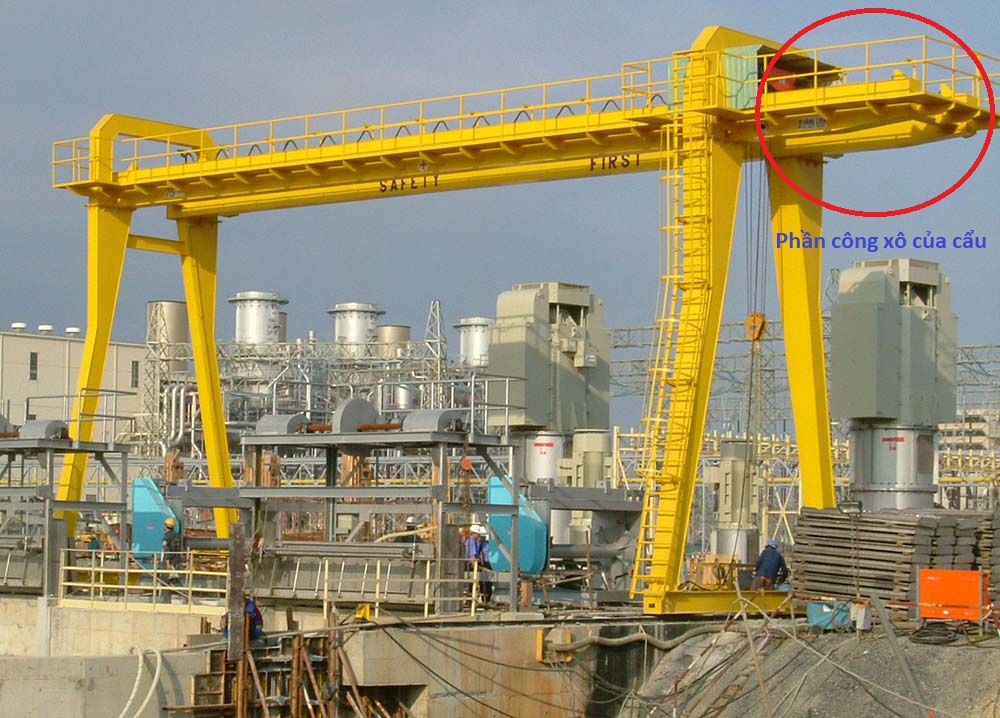
Discover a comprehensive guide to gantry cranes, exploring their core mechanical structure, key classifications (RMG, RTG, single/double girder), operating principles, and heavy-lift applications in modern seaports and industrial facilities.
19
Aug
Aug
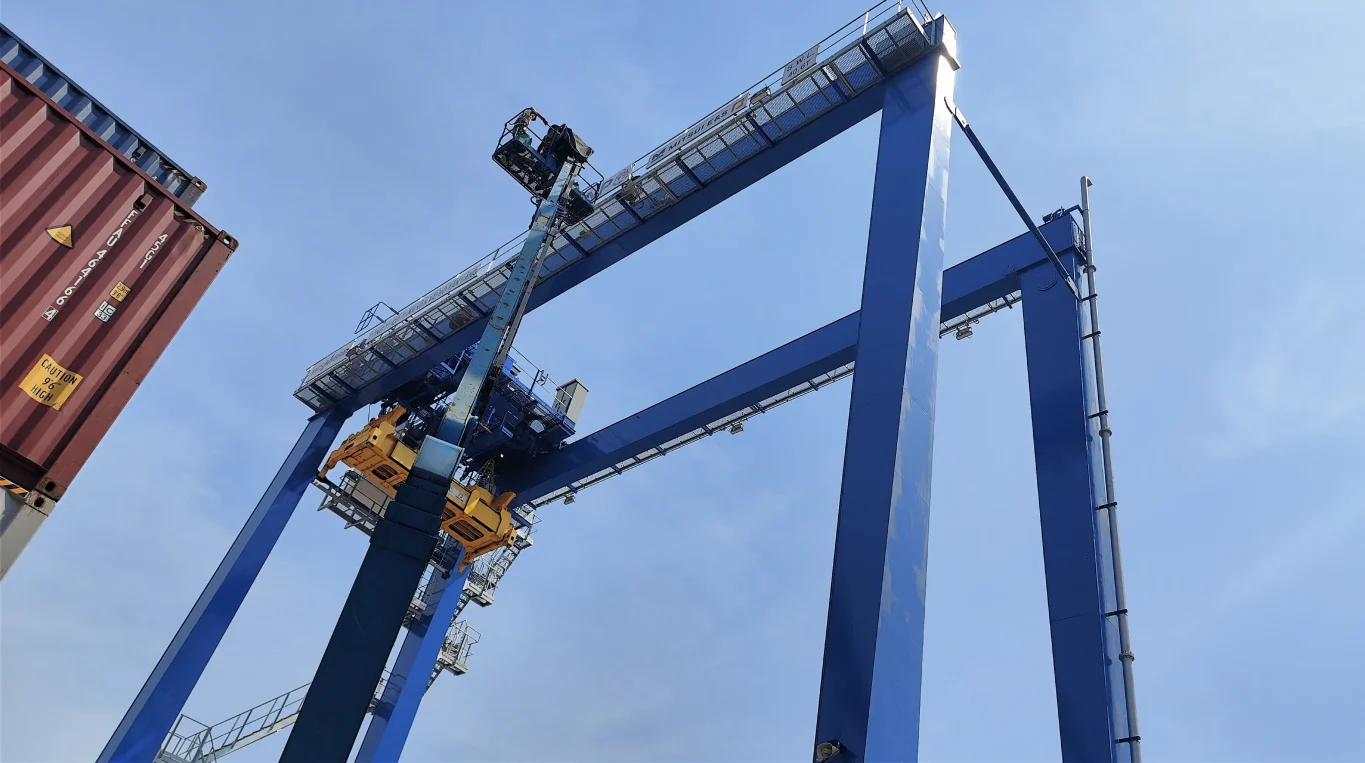
The giant STS (Ship-to-Shore) and RTG (Rubber-Tired Gantry) cranes are symbols of the power and efficiency of a modern seaport. However, this magnificent exterior is protected by an often-overlooked element: the paint coat. For port equipment, paint is not just an “aesthetic coat” but also the most critical “protective shield,” determining the lifespan, safety, and
19
Aug
Aug
Discover why high-performance protective coating systems are essential for port cargo handling equipment like STS and RTG cranes, from combating harsh C5-M marine corrosion to surface preparation and non-destructive testing.
11
Aug
Aug
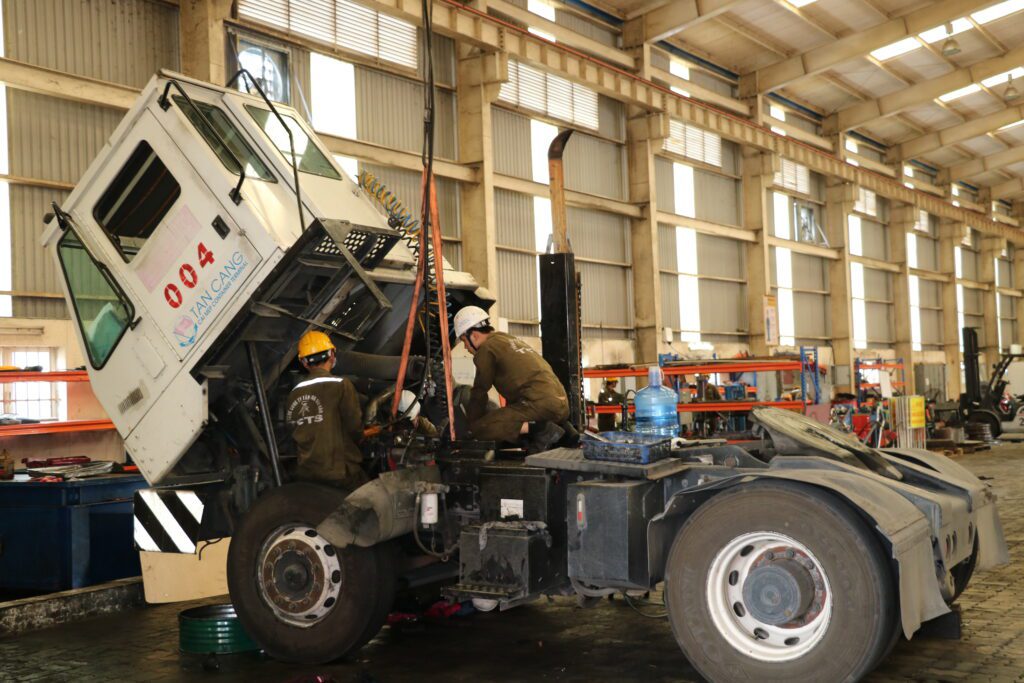
Tan Cang Technical Services Joint Stock Company is proud to be a reputable and professional provider of products and services related to the SALES & MANUFACTURING of machinery, equipment, and spare parts for ships, barges, automobiles, containers, handling equipment, forklifts, reach stacker, etc…. With over 35 years of experience in this field, we have established
11
Aug
Aug
Tan Cang Technical Services provides trusted trading, custom fabrication, and spare parts supply for marine vessels, barges, STS/RTG cranes, reach stackers, and port cargo equipment.

06
Aug
Aug
A Ship-to-Shore (STS) crane, also known as a quay crane, is a large, specialized piece of equipment used in port operations to load and unload containers and cargo between a vessel and the quay. These cranes are typically found at container terminals and play a critical role in ensuring the efficient operation of ports, thanks
06
Aug
Aug
Discover what Ship-to-Shore (STS) quayside container cranes are, examining their core mechanical structure, A-frame boom systems, trolley drive, container spreaders, and medium-voltage power supply.

06
Aug
Aug
An in-depth engineering comparison between hydraulic-and-locking-pin wheel turning systems and modern electric screw/reducer mechanisms on Rubber-Tyred Gantry (RTG) cranes.

15
Jul
Jul
In the world of maritime ports, where every second a vessel spends at berth translates to cost, and every container moved is a link in the global supply chain, optimizing STS crane productivity is no longer an option, but an inevitability. This trend is manifested through two main approaches to container handling with STS cranes: Semi-automation
15
Jul
Jul
An in-depth technical analysis of Ship-to-Shore (STS) crane automation, exploring the core technologies, operational workflows, and strategic benefits of semi-automation versus full automation for container terminals.