Common Failures in Container Reach Stackers and Comprehensive Troubleshooting Methods
Container reach stackers play a pivotal role in port operations, container yards, and maritime logistics. However, operating under heavy cyclic dynamic loads and harsh coastal weather, container handling equipment inevitably experiences mechanical, hydraulic, and electrical wear. Early detection of failure warning signs and mastering systematic troubleshooting methodologies are crucial to maintaining equipment availability, safeguarding workplace safety, and minimizing emergency repair costs.
1. Hydraulic System Malfunctions

The hydraulic system is the vital “heart” of a container reach stacker, driving all main boom hoisting, telescoping, spreader side-shifting, rotation, and dampening functions. Common faults include hydraulic fluid leaks, pressure drops, main variable-displacement pump failure, and stuck proportional control valves. Root causes include aged/hardened seals, cracked high-pressure hoses, contaminated hydraulic fluid, abrasive internal valve spool wear, or heavily scored cylinder rods (requiring hard chrome re-plating or rod replacement).
To troubleshoot, first check oil reservoir levels and replenish with OEM-specified clean oil. Next, conduct thorough visual and pressure checks across hose assemblies, manifold blocks, and cylinder packings to isolate leaks. Replace worn seal kits or damaged hoses immediately. For complex internal pump cavitation or proportional valve block errors, engage certified hydraulic specialists for digital flow testing and calibration.
Preventive best practices include using certified high-viscosity-index hydraulic oil, replacing filters and fluid strictly per OEM operating hour intervals, and routine oil sampling/particle count analysis to eliminate contamination before it damages expensive components.
2. Diesel Powertrain Issues
The industrial diesel engine delivers primary mechanical power. Common symptoms include hard starting, rough idling, sudden power loss under load, engine overheating, and excessive black or white exhaust smoke. These issues typically stem from contaminated fuel, clogged fuel injectors, saturated air intake filters, cooling system scale/radiator clogging, or internal cylinder/turbocharger wear.
When experiencing engine faults, start with baseline checks: fuel quality, water-in-fuel traps, engine oil level, and coolant concentration. Inspect and clean/replace primary and safety air filter cartridges. For electronic common-rail engines, connect diagnostic scan tools to read fault codes. Severe injector faults or turbocharger wear require specialized overhaul intervention.
Ensure strict compliance with periodic preventive maintenance schedules—including oil, fuel, and coolant filter changes. Use high-grade diesel fuel, avoid operational overloading, and schedule routine container reach stacker inspections.
3. Braking System Malfunctions & Maintenance
The braking system is critical for operational safety given gross machine weights exceeding 70–80 tonnes when laden. Common issues include spongy pedal feel, brake drag/locking, squealing noise, or hydraulic brake fluid loss. Causes include worn wet-disc friction plates, warped brake discs, clogged pilot lines, or degraded master/brake valve seals.
Immediately check brake fluid reservoirs and top up with recommended brake fluid. Inspect brake calipers and disc wear limits. Replace worn friction discs without delay. Bleed hydraulic brake circuits to remove trapped air and verify accumulator pre-charge pressure.
Scheduled brake testing is essential. Replace brake fluids at OEM intervals, adjust parking brake linkages regularly, and test brake holding capacity before starting every shift.
4. Accelerated Tire Wear & Damage
Reach stacker tires endure extreme axle loads (often >100 tonnes on the front drive axle under full load). Factors causing premature tire wear include incorrect inflation pressure, habitual yard overloading, deteriorated uneven pavement, and aggressive driving habits (rapid acceleration, sudden sharp turns while laden). In some terminal operations, operators bypass load limiters by 10–15%, severely overstressing both tires and boom structural weldments.
To maximize tire longevity, maintain strict inflation pressure according to manufacturer specifications (typically 10.0 bar for standard heavy industrial pneumatic tires). Check cold tire pressures daily before operation. Enforce zero-tolerance policies against container overloading. Match tire tread compounds (e.g., cut-resistant vs. low-heat compounds) to yard conditions.
Train drivers to avoid harsh braking and tight static steering rotations. Implement scheduled tire rotation, dynamic wheel balancing, and regular yard sweeping to remove metal debris and twistlock fragments.
5. Powershift Transmission Failures
Heavy powershift transmissions (such as Dana Spicer or ZF) transmit high torque to the planetary drive axle. Warning signs include harsh gear engagement, transmission slipping under load, abnormal gear whine, overheating transmission fluid, or delayed forward/reverse directional shifts. Causes include burnt clutch pack plates, contaminated transmission fluid, clogged control solenoid valves, or low charge pump pressure.
Check transmission oil level and condition at operating temperature. Replace transmission oil and filter elements on schedule. If slipping or error codes persist, dispatch specialized technicians for computerized transmission calibration and clutch pressure testing. Never operate with a slipping transmission, as clutch friction material will rapidly contaminate the entire hydraulic circuit.
Enforce smooth driving habits, requiring full vehicle stops before shifting between forward and reverse directions.
6. Electrical & Electronic Control System Faults
Modern reach stackers utilize complex CAN-bus networks, electronic control units (ECUs), and distributed sensors to coordinate engine, transmission, hydraulic, and spreader safety functions. Common electrical issues include dead starter batteries, corroded harness connectors, blown fuses, faulty proximity switches, and sensor communication loss.
Inspect battery voltage and terminal integrity. Check wiring harnesses for chafing, pinch points, or water ingress. Replace blown fuses with identical amperage ratings. For persistent CAN-bus errors, connect diagnostic diagnostic software to isolate faulty control modules or sensors.
In Vietnam’s harsh tropical climate—marked by high humidity, prolonged monsoon rains, and northern winter dampness—after resolving electrical faults, ensure all wiring connectors, terminal junction boxes, and fuse panels are treated with dielectric grease and sealed with IP67/68 waterproof enclosures.
7. Hoisting Mechanism & Spreader Structural Integrity
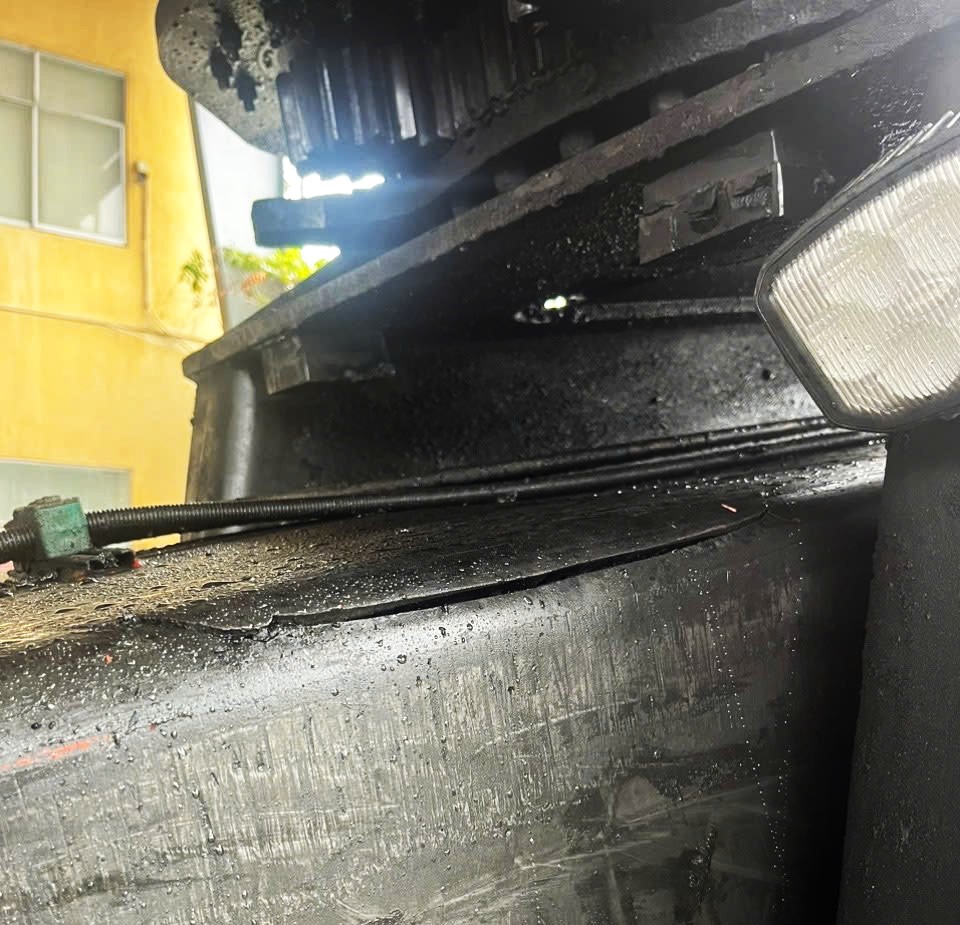
The telescopic boom and top-lift spreader assembly are the most critical load-bearing structures on a container reach stacker. Structural or hydraulic failures here pose severe safety risks: boom weldment fatigue cracking, hoist cylinder internal bypass, worn wear pads, damaged spreader twistlocks, and faulty container seating microswitches.
On masted empty container handlers, issues center on mast guide rollers, hoist chains/wire ropes, and side-lift locking hooks. Because empty containers are lighter, catastrophic failures are less common and easily spotted during pre-shift visual checks.
Conversely, on heavy laden reach stackers, fatigue cracks on the telescopic boom or spreader main frame can be difficult to detect without non-destructive testing (NDT), posing severe risks due to the immense dynamic moments involved when hoisting 45-tonne containers.
Conduct daily pre-shift inspections across all wire ropes, hoist cylinders, locking pins, and structural joints. Ensure all four twistlocks engage and lock synchronously before hoisting. For reach stacker fleets, implement periodic non-destructive magnetic particle (MPI) or ultrasonic testing (UT) along high-stress boom weldments and spreader corners.
Never operate a reach stacker if structural cracks or twistlock safety interlock faults are detected.
Systematic Inspection, Calibration & Preventive Maintenance for Long Asset Life
Systematic scheduled maintenance is the most effective engineering defense against catastrophic equipment downtime and workplace accidents.
As fleets expand and diversify, managing technical maintenance in-house becomes a challenging operational bottleneck for logistics and port operators: maintaining certified technician teams, investing in expensive specialized diagnostic tooling, stocking high-value spare parts, and balancing maintenance downtime with round-the-clock terminal schedules. Partnering with an expert engineering organization like Tan Cang Tech provides comprehensive, cost-effective lifecycle assurance that maximizes fleet availability and operational safety.