


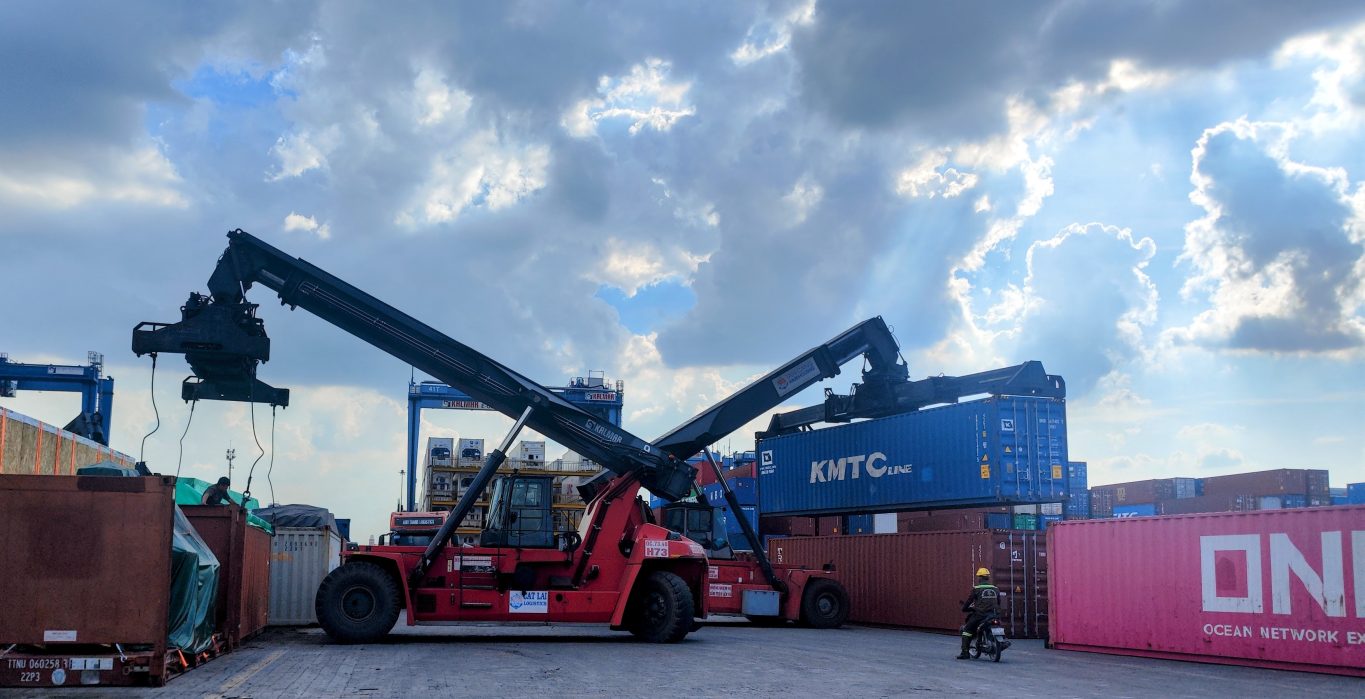
Optimizing Performance & Extending the Lifespan of Your Reach Stacker Fleet
A Reach Stacker is a core asset that dictates the efficiency and productivity of operations at ports, ICDs, and logistics centers. To ensure this equipment operates safely, effectively, and durably, proper maintenance is not just an option—it is a mandatory requirement.
At Tan Cang Tech, we understand that every hour of equipment downtime is a direct cost to your business. Therefore, we have compiled this comprehensive guide, covering everything from daily maintenance tasks to advanced operational tips, to help our clients maximize their investment value and maintain peak performance for their fleet.
1. Inspection and Maintenance Handbook
Regular inspection and maintenance are key to detecting potential issues before they escalate into serious, costly failures that disrupt operations.
1.1. Pre-Operation Checks
The habit of performing a quick visual inspection before each shift is a simple yet critically important practice for promptly identifying and resolving issues. Information provided by the operator can significantly help technicians in checking, diagnosing, and isolating problems, thereby preventing serious breakdowns and minimizing downtime. While this may seem inconvenient for drivers, establishing this as a routine can reduce repair costs by 10-20%. For more sophisticated equipment like aircraft, pre-operation checks can take up to an hour, but the risk is significantly reduced. For a Reach Stacker, with its relatively simpler structure, a quick check takes only about 15 minutes. If a company wants to be more thorough, creating a checklist and maintaining an operator’s log can become a valuable habit.
- Overall Inspection: Look for any signs of leaks (oil, lubricants, coolant), loose parts, dents, unusual damage, or strange noises during operation.
- Hydraulic System: Check hoses and fittings for any leaks, cracks, or bulges.
- Tires: Ensure correct tire pressure and inspect the tire surface for wear, cracks, or embedded foreign objects.
- Boom and Spreader: Examine welds, twistlocks, and other mechanical components for wear, cracks, or deformation.
- Electrical System and Signal Lights: Verify that all lights, warning signals, and horns are functioning correctly. Check the error logging system for any unusual faults.
- …
1.2. Periodic Maintenance: The Foundation of Durability
Strictly adhering to the manufacturer’s maintenance schedule is the best way to ensure all components operate under optimal conditions. Each manufacturer provides a periodic schedule for inspecting, maintaining, and replacing specific Reach Stacker parts. However, based on operational intensity, equipment age, working conditions, and breakdown history, each machine should have a customized maintenance schedule to optimize its performance. If your organization does not have a dedicated technical team and uses third-party services, a preliminary maintenance plan should include the following, as recommended by the manufacturer:
- Fluids and Filters:
- Engine Oil and Oil Filter: Replace periodically to ensure the engine is effectively lubricated and cooled.
- Hydraulic Oil and Hydraulic Filter: Clean hydraulic fluid is vital for the system. Contaminated oil can damage pumps, valves, and cylinders.
- Fuel Filter and Air Filter: Keep the fuel system and combustion chamber clean to optimize power and fuel consumption.
- Coolant: Check the level and quality, and replace periodically to prevent corrosion and engine overheating.
- Lubrication: Regularly apply grease to moving parts such as joints, pivot points, and bearings to reduce friction and prevent wear.
- Electrical System: Inspect battery terminals and wiring to ensure they are free of corrosion and securely fastened.
- Braking System: Check brake pad wear, brake fluid level, and ensure the system operates safely.
2. Safe Operation to Extend Equipment Lifespan
While it is common sense that safe operation extends equipment life, after many years of handling incidents involving Reach Stackers and a wide range of port equipment, Tan Cang Tech is very familiar with the culture of “running equipment into the ground.” Operators often push machines to their limits, justifying it with phrases like “it’s an old machine anyway” or “safety is secondary to getting the job done.” This leads to rapid deterioration of the equipment and frequent workplace accidents. Therefore, from a management perspective, it is crucial to ensure at least the following points are strictly followed:
- Safety Training: Ensure all operators are properly trained, certified, and fully understand safety procedures.
- Adhere to Load Capacity: Never lift loads exceeding the rated capacity. Always refer to the load chart to ensure safety and avoid putting excessive stress on the machine’s structure. If an overweight load must be handled, consult a technician first.
- Smooth Operation: Avoid abrupt actions such as sudden acceleration/deceleration, hard braking, sharp turns, or jerky container handling. Aggressive movements increase wear and tear on all components, from tires and the drivetrain to the steel structure.
- Protect Equipment in Harsh Environments: If operating in dusty, salty, or chemical-laden environments, increase the frequency of cleaning and washing the machine to prevent corrosion. This should be a mandatory, scheduled task.
3. Handling Common Issues and Quick Diagnostics
Even with good maintenance, breakdowns can still occur. Here are some common problems and quick checks that can be shared with operators to prevent serious damage:
- Hydraulic System Issues (Weak or Slow Lifting):
- Causes: Low hydraulic fluid level, contaminated/aerated fluid, hose leaks, worn hydraulic pump.
- Solution: Check the fluid level, find and fix any leaks. If the problem is more complex, contact a professional technician.
- Electrical System Problems (Difficulty Starting, Error Lights):
- Causes: Weak/dead battery, loose/corroded terminals, faulty wiring, or blown fuses.
- Solution: Clean and tighten battery terminals. Check the fuses. Use a multimeter to test the battery voltage.
- Braking Problems (Unresponsive Brakes, Strange Noises):
- Causes: Worn brake pads, brake fluid leaks, air in the system.
- Solution: This is a critical safety issue. Stop operating the machine immediately and call the technical team for an inspection.
- Issues Indicated by “Operator’s Intuition”: Tan Cang Tech has had the opportunity to visit many port systems around the world and has noticed an interesting difference: Western operators are often very “by-the-book,” which is excellent, but it can sometimes limit their intuitive feel for the equipment. In contrast, many Vietnamese operators learn through a “hands-on-first” approach, developing a keen intuition. If an experienced operator reports that “something feels wrong” but cannot describe the specific issue, their feedback should be taken seriously. The more complex a machine is, the harder it is to pinpoint a problem, but an early warning allows for a thorough inspection that can significantly mitigate risk.
4. Choosing Spare Parts and a Service Provider
When repairs or part replacements are needed, selecting the right partner will determine the longevity and reliability of your equipment.
- Call the Manufacturer or a Reputable Provider: For complex equipment, it is best to contact the manufacturer, especially if the machine is new and under warranty. If the warranty has expired, contact a trusted and experienced service provider for Reach Stacker maintenance and repair. We are here to help.
- Use Genuine or OEM Parts: Genuine parts are designed to be perfectly compatible with your equipment, ensuring maximum performance and safety. Using parts from unknown sources can cause more severe damage and void your warranty. However, after the warranty period, you may consider aftermarket parts based on your operational needs, but they should be chosen and evaluated carefully.
- Experienced Technical Team: Extensive practical experience allows technicians to diagnose problems quickly and accurately, providing the most optimal solutions that save time and money, instead of guessing, misdiagnosing, and having the problem reoccur. Many service providers may offer multi-year warranty contracts but include unfavorable clauses that make it difficult to get repair claims approved, impacting your operational schedule. This “hidden cost” is often how they offer a lower price.
- Rapid Response Service: In the port industry, time is money. Choose a partner or build an in-house team that can provide 24/7 support, ready to handle incidents and minimize equipment downtime.
Optimizing the performance and extending the lifespan of a Reach Stacker is an ongoing process that requires a combination of periodic maintenance, correct operation, and a reliable service partner. By following the guidance in this handbook, your organization can ensure its fleet remains stable, safe, and efficient.
For detailed consultation on our maintenance service packages, genuine spare parts supply, or to request a repair, please contact us immediately for the best, completely free support.
- Hotline: 0358141730
- Email: [dvkt@tancangtech.vn](mailto:dvkt@tancangtech.vn)

How does The Essential Guide to Reach Stacker Maintenance at Tan Cang Tech impact readers or the community today?
At Tan Cang Tech, we believe that knowledge sharing and best practices are crucial for the efficiency and safety of operations within the logistics and port industry. “The Essential Guide to Reach Stacker Maintenance” is designed to be a comprehensive and practical resource, and its impact on readers and the community today is multifaceted.